Breaking the stigma
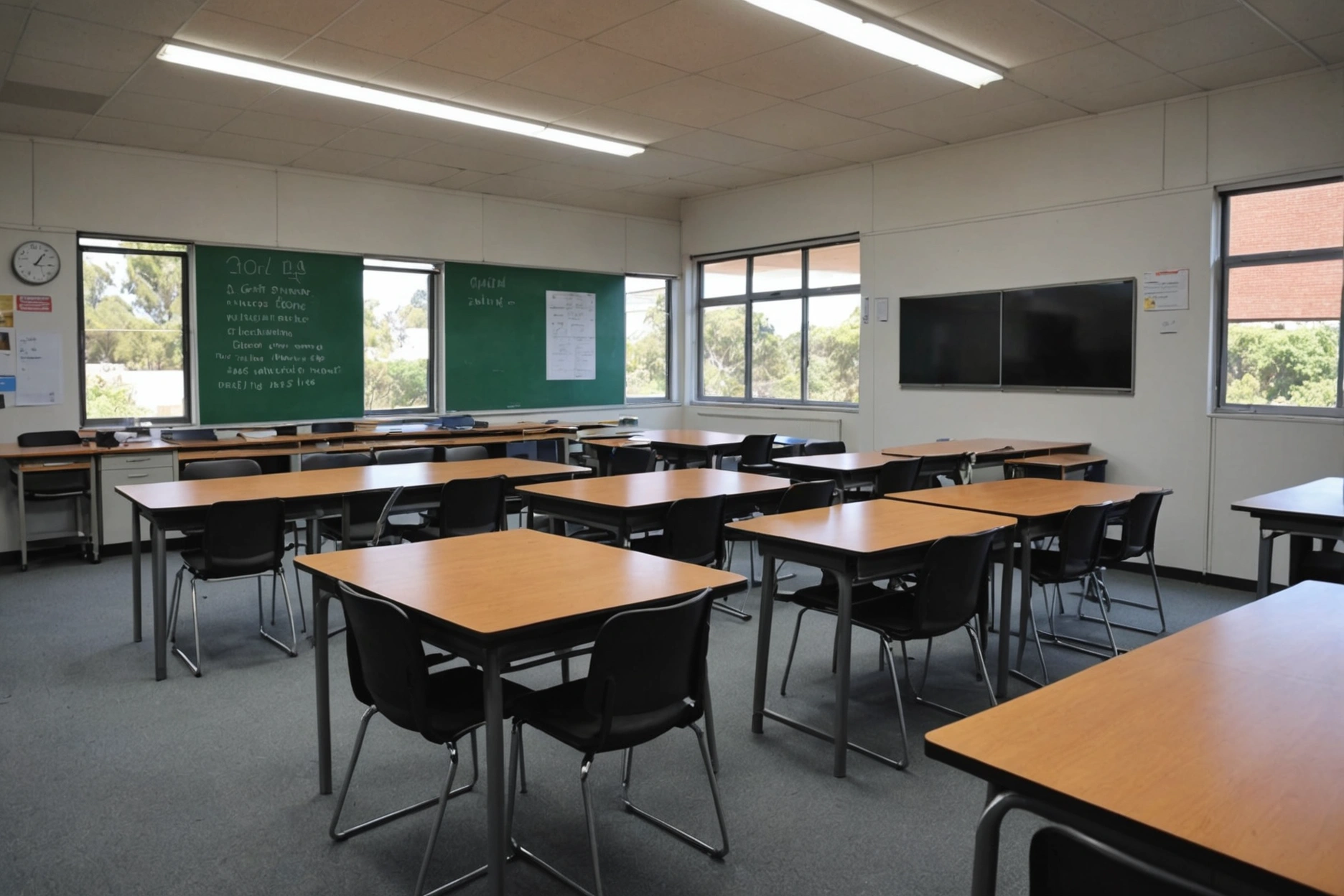
I worked for a long time in registered training organisations and I think they do great things.
I believe RTOs have a place in the skills and training mix alongside TAFE, universities and short courses.
We've talked here about the value of university places, how many overseas students should be allowed to study in Australia, what these would be—and the list goes on.
The education sector is facing lots of issues right now, which is muddying the waters when it comes to providing best-fit education for our kids, people wanting to retain and those who just want to learn something new.
The skills agreement arrangement introduced by this government as a joint program between federal and state governments is something that was welcomed in Tasmania.
This arrangement allocated 3, 800 fee-free TAFE places to Tasmanians for 2023.
These were made up of new and existing places.
TasTAFE is the largest registered training organisation in Tasmania, training more than 18, 800 learners annually.
This figure includes more than 8, 600 apprentices, which equates to about 60 per cent of Tasmania's apprenticeship market.
TasTAFE also receives around 80 per cent of the Tasmanian government's skills training budget.
But the fee-free TAFE program has been undersubscribed in Tasmania.
Of the 3, 800 places offered, only 3, 255 were taken up, leaving 545 vacant spots.
States can choose which courses they want to offer under the fee-free program, but they have to be within priority sectors, like agriculture, care, construction, defence, early childhood education, hospitality and tourism, manufacturing, sovereign capability, technology, digital, and VET workforce.
Is it because there isn't an appetite for the courses offered for free in Tasmania, or is it because people don't value something they are not paying for?
Or should this money earmarked for vocational education be going to RTOs instead?
Private RTOs like seafood and maritime training were also allocated press places under the Skills Tasmania Building a Skilled Workforce—Jobseeker Fund program.
Almost a third of spots under this stream were allocated to RTOs to help jobseekers and people retraining or upskilling to extend their qualifications and skill sets.
So why do we have gaps in vocational training in Tassie?
We are facing a critical shortage of teachers across schools, colleges, TasTAFE and RTOs.
I know this issue is not specific to Tasmania, but the state's location and population size makes it harder to recruit teachers from mainland Australia and my state is not producing enough homegrown teachers to keep up with the demand.
There are also falling completion rates, which leads to questions about the number of people taking up free education options over paid spots and employers and employment agencies taking advantage of training subsidies.
What I'm really saying is that there are a number of factors that could be contributing to this issue in our education sector.
Does that come back down to a lack of leadership, perhaps?
How can we fix this and make sure Tasmanians have access to a wide variety of education options?
We need to stop demonising vocational education and elevating university education.
Let's shift some of our focus to promoting TasTAFE and RTOs as a worthy alternative to university.
Let 's celebrate vocational pursuits rather than pushing academics as the only option.
It's not the only option, but, with the focus on pushing kids to focus on ATARs, you wouldn't know.
We must build better relationships between schools and colleges, TasTAFE and RTOs so students can see clear pathways to vocational careers.
Show kids there are other learning options, like school based apprenticeships or completing TAFE subjects they are actually interested in while they are in grades 11 and 12.
Encourage regular mentoring sessions between TAFE and RTO teachers and students in grades 11 and 12 so they are mentored along their chosen pathway.
Help students make an easier transition to vocational study.
Working conditions for teachers across the sector often come up as a sticking point, but it's a major issue in the TasTAFE system.
We need to make the TAFE system a place where teachers actually want to work.
Inspire teachers to see where their skills fit in the sector they teach by fostering industry engagement with relevant personal development training modules so they can bridge the gaps between training and industry and inspire their students.
These are tweaks that make the education sector brighter and inspire future generations.
What else is news?
Everything Tam's been saying in front of journalists and their microphones.

From the outback to the suburbs, veterinarians are the frontline that safeguards animal welfare, rural economies and our own health against hidden biosecurity threats.

Adequate funding transforms early childhood classrooms into launchpads where skilled educators can nurture curiosity and resilience, giving Australian kids a lifelong edge.

Tasmania’s hospitals overflow with fit patients awaiting aged-care support
Find out why healthy Tasmanians are stuck in beds while the government drags its feet.
What if the next doctor you see isn’t born here?

Tasmania’s longest-serving disability provider battles a perfect storm
The hidden costs that could shut down essential therapy for thousands.

Find out why empathy may be the missing piece to solving Australia’s housing crisis.